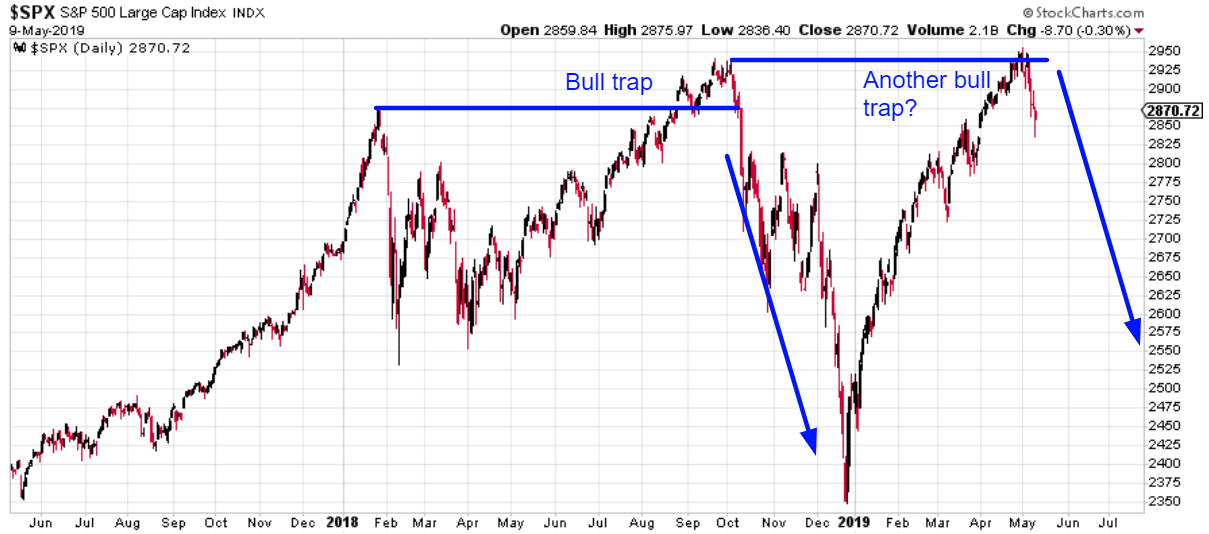
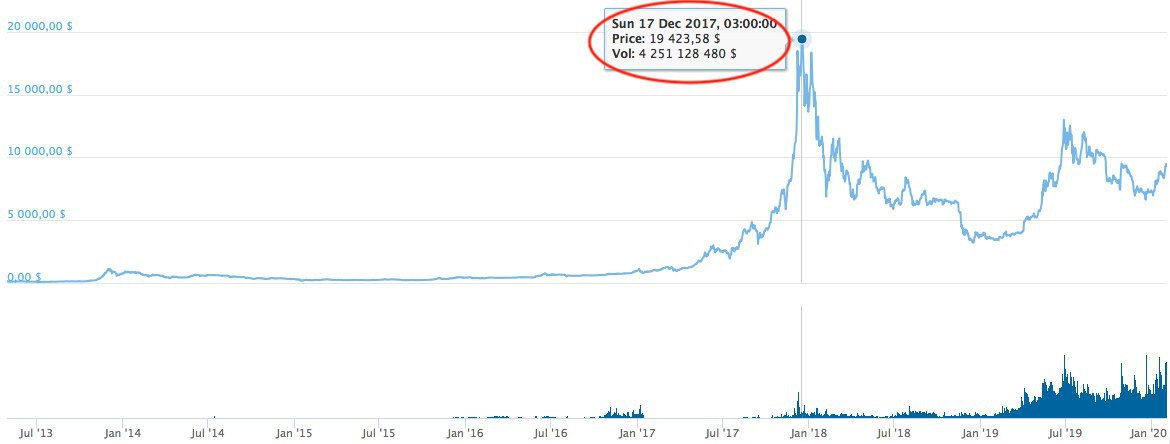
In the world of trading, it’s crucial for investors to have a clear understanding of the various market traps that can deceive them into making wrong investment decisions. One such trap is the bull trap, which can cause investors to suffer significant losses. A bull trap occurs when the market shows signs of a bullish trend, leading investors to believe that stocks or other securities will continue to rise in value. However, this optimism can quickly turn into a trap when the market reverses and falls, causing many investors to lose money. It’s important for traders to understand the concept of a bull trap as it can help them to make better investment decisions. When traders are aware of the signs of a bull trap, they can adjust their investment strategies accordingly, which can minimize losses and maximize profits. In summary, a bull trap is a market trap that can deceive traders into making bad investment decisions. Understanding this trap is essential for traders to avoid significant losses and make informed investment decisions. To identify a bull trap, traders need to understand its characteristics and the market conditions that typically lead to it. Additionally, certain technical indicators can provide clues as to whether the market is in a bull trap. Market conditions that typically lead to a bull trap include a sudden surge in prices, a high volume of trades, and positive news or events that drive up investor optimism. These conditions can create a sense of FOMO (fear of missing out) among traders, leading them to buy stocks or other securities at inflated prices. Key technical indicators to watch for when identifying a bull trap include the Relative Strength Index (RSI), moving averages, and volume indicators. A sudden increase in volume or RSI, for example, can indicate that the market is overbought and due for a correction. Moving averages can also provide a signal that the market is about to turn around, as prices approach or break through a particular average. In summary, identifying a bull trap requires an understanding of the market conditions that typically lead to it and the key technical indicators that can provide clues. By being aware of these factors, traders can make informed investment decisions and minimize their risks. Real-life examples of bull traps can provide valuable lessons for traders, helping them to identify and avoid similar traps in the future. Here are two examples of past bull traps and their aftermath: In both of these cases, the bull trap was caused by a sudden change in market conditions that had not been reflected in the prices of stocks or cryptocurrencies. Once the market realized this, prices fell sharply, causing significant losses for investors who had bought at the top. In summary, understanding past bull traps and their aftermath can help traders to make informed investment decisions and minimize their risks. By paying attention to market conditions and technical indicators, traders can avoid similar traps in the future. Avoiding a bull trap is crucial for traders to prevent significant losses. Here are some strategies for identifying and avoiding bull traps: In summary, avoiding a bull trap requires traders to be cautious, research market conditions, and use technical analysis tools to identify potential risks. By managing risk through diversification, stop-loss orders, and trailing stops, traders can minimize the impact of any losses and increase their chances of success in the markets. Trading during a bull trap can be challenging, but it can also provide opportunities for profit. Here are some techniques for profiting from a bull trap and managing risk: In summary, trading during a bull trap requires caution and discipline. By using techniques such as short selling, put options, and technical analysis, traders can profit from a bull trap while also managing risk through stop-loss orders and selling high. In conclusion, understanding bull traps is crucial for traders to succeed in the markets. A bull trap can lead to significant losses if traders fail to recognize the signs and take appropriate action. By understanding the characteristics of a bull trap, monitoring market trends, and using technical analysis tools, traders can identify and avoid bull traps. If traders do find themselves caught in a bull trap, there are techniques for managing risk and profiting from the situation, such as short selling, put options, and setting stop-loss orders. However, it’s important to keep emotions in check and approach trading with caution and discipline. Overall, the key takeaway for traders is to be aware of the potential for bull traps and to use a combination of research, technical analysis, and risk management strategies to navigate the markets successfully. By staying informed and adapting to changing market conditions, traders can increase their chances of success and achieve their financial goals.
Characteristics of a bull trap
Real-life examples of bull traps
How to avoid falling into a bull trap
How to trade during a bull trap
Conclusion
